


Success Stories

Success Stories - 1 -
The Significance of Hosting International Competitions in Tokyo
Interview with
Matsumura Tatsuro, International Skating Union (ISU) Council Member
Kazetani Hidetaka, Executive Director, Japan Skating Federation (JSF)
In April 2025, The ISU World Team Trophy in Figure Skating was held in Tokyo, further strengthening Japan’s long-standing reputation for staging world-class international skating events. Recognised for its unique format and outstanding organisation, the World Team Trophy continues to earn high praise from athletes and officials alike. We spoke with ISU Council Member Matsumura Tatsuro and JSF Executive Director Kazetani Hidetaka about the event’s success and its broader significance.
The Origin of Figure Skating Team Events

The World Team Trophy was held in Tokyo in April 2025. How did this event originally come about?
Matsumura :
Its roots go back to December 2005, when the ISU Grand Prix Final was held at Yoyogi National Gymnasium in Tokyo. A few months earlier, Japan had organised a team competition called the International Challenge, featuring a “Japan vs. the World” format. When I mentioned this event to Ottavio Cinquanta, ISU President at the time, he immediately showed great interest.
He told me, “Someday, I would like to introduce team events into ISU competitions. Please help create a pathway for skaters to aim for international team events.” That conversation became the spark that eventually led to the launch of the World Team Trophy.
At the time, figure skating had no world-level team competitions, so the concept was quite new. The sport also offered fewer medal opportunities compared with others. Team events changed that. Even skaters who might not reach the podium in individual events could earn medals as part of a team, giving them fresh motivation and broader goals.
This significance grew even further when the team event was officially added to the Olympic programme at the Sochi 2014 Games. Since then, the World Team Trophy has become a major target for skaters around the world.
Why Tokyo Earns Global Praise
Tokyo and Japan receive high praise from overseas delegations.
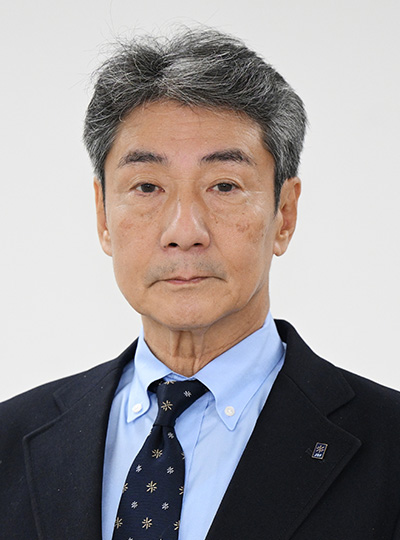
Kazetani Hidetaka
Kazetani :
Japan’s reputation had already been outstanding well before the World Team Trophy. Athletes, officials, and federation representatives consistently speak highly of the competitions held here.
Matsumura :
Our aim has been to deliver top class events in every respect—not only on the ice but also in all of the surrounding services. From airport greetings and transport to accommodation and meals, everything is carefully planned and executed.
As a result, some events hosted in Japan are regarded as being “a level above” other international competitions. This reputation is no coincidence. It reflects the dedication of everyone involved, including many experienced domestic judges and staff who have a deep understanding of the sport. They know exactly what is needed, when it is needed, and where it should be.
I often say, “In Japan, what should be there is there, where it should be, and when it should be.” This level of organisational precision is a distinctly Japanese strength.
Preserving Japanese Hospitality
What is most important when hosting international competitions in Japan?
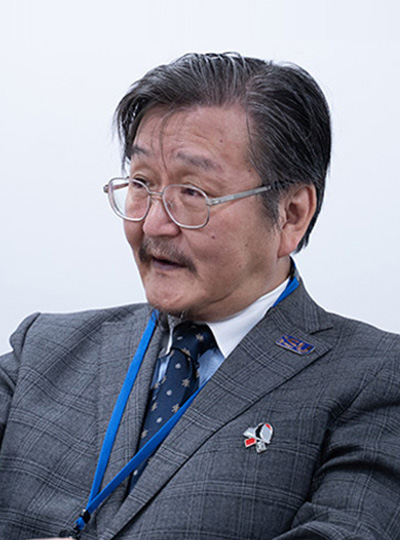
Matsumura Tatsuro
Matsumura :
The key is to embrace what is uniquely Japanese—especially the spirit of Omotenashi, our culture of hospitality. Acts of courtesy that may feel routine to us often feel special to visitors from overseas.
These small, thoughtful gestures accumulate over time and help build trust. They create a strong sense of confidence: “If a competition is held in Japan, it will be a success.” That reputation is incredibly valuable.
Tokyo Metropolitan Gymnasium extremely well received
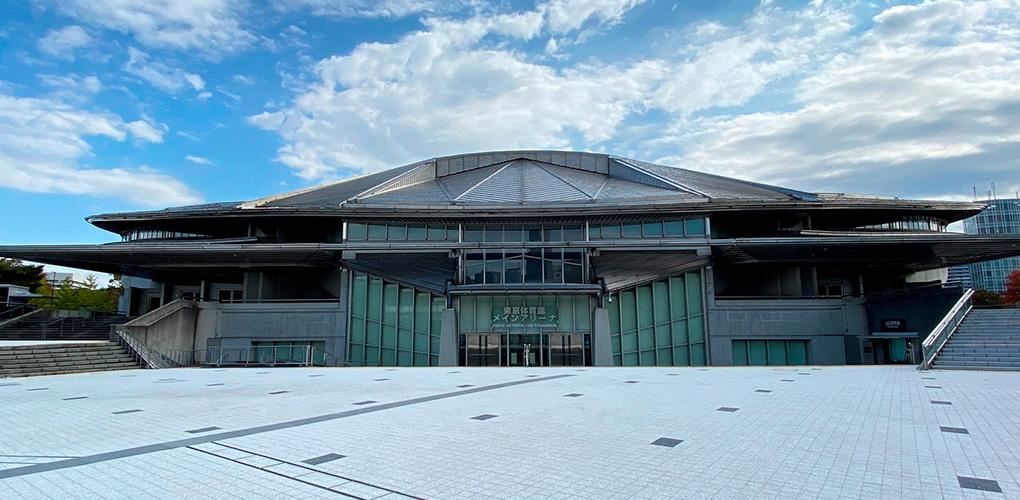
How do you evaluate Tokyo Metropolitan Gymnasium as a competition venue?
Matsumura :
It has been extremely well received. One major advantage is its proximity to the Meiji Jingu Gaien Ice Skating Rink, which served as a practice venue within walking distance. Its central location also allows athletes and officials to enjoy sightseeing during their free time.
Back in 2007, we even provided Tokyo Metro one-day passes so athletes could explore the city. Small initiatives like these left a lasting impression.
Kazetani :
The venue itself is excellent, but its greatest strength is its location. Hosting a skating competition in the heart of Tokyo is rare and incredibly valuable. I hope it will become a new “iconic venue” for figure skating.
Click here for more information about the Tokyo Metropolitan Gymnasium.
Tokyo Metropolitan Gymnasium|Sports facilities in Tokyo
Tokyo Tatsumi Ice Arena
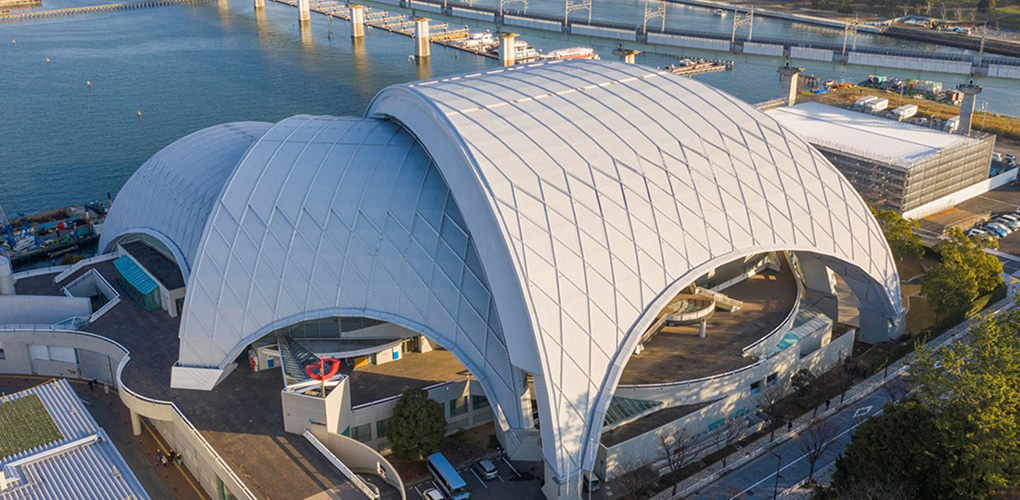
The opening of the Tokyo Tatsumi Ice Arena in September 2025 was welcome news.
Matsumura :
We already hosted the 2025 All Japan Junior Figure Skating Championships there in November. Going forward, we plan to explore the scale of competitions the venue can support and to continue expanding its use.
Kazetani :
Without places for daily training, it’s impossible to grow the skating community. The addition of a new rink in Tokyo is incredibly meaningful. We hope Tatsumi will become a catalyst that revitalises skating throughout the region.
Click here for more information about the Tokyo Tatsumi Ice Arena.
Tokyo Tatsumi Ice Arena |Sports facilities in Tokyo
Inspiring the Next Generation
What initiatives were introduced during the competitions, especially in terms of legacy-building?
Matsumura :
We organised backstage tours and skating classes. The skating class, held the day after the competition, was especially meaningful. Even though the athletes were physically exhausted, the medallists volunteered to participate, performing spins and jumps right in front of the children.
Another initiative close to my heart was involving high school newspaper clubs. Students were allowed to conduct interviews in the mixed zone under the same rules as professional journalists. Experienced reporters and photographers generously supported them, making it an unforgettable learning experience.
We cannot love something we have never seen. Exposure comes first. Hosting major events raises awareness, draws spectators, and increases broadcast visibility. These touchpoints are essential for making figure skating a “sport of choice” and expanding its fan and participant base.
Kazetani :
This is a core priority for JSF as well. In 2019, we launched the JSF Vision, which focuses on expanding the number of people who participate in, watch, and support skating—and then connecting them into one larger skating community.
In recent years, we have doubled or even tripled the number of skating clinics held nationwide with Olympians and medallists. These initiatives are the very embodiment of that vision.
Tokyo as an International Sports City
What are Tokyo's greatest strengths as a host city?
Kazetani :
Tokyo stands alongside global cities like New York, Paris, and London. Its infrastructure and facilities are truly world-class. Watching the incredible momentum of World Athletics Championships Tokyo 2025 made me realise just how powerful major competitions can be in energising the public.
Hosting international sporting events in Tokyo is not only feasible—it is highly beneficial. It drives sports development, encourages public engagement, and strengthens global connections. I strongly believe that more organisations should actively leverage Tokyo as a stage.